BUILT DIFFERENT
PROVEN RESULTS
Can I Put a Fence Near My Neighbor’s Fence?
Atlantic Fencing
919-614-0049
Can I Put a Fence Near My Neighbor’s Fence?
Yes, you’re generally allowed to build a fence alongside your neighbor’s, but a few important steps can save you from trouble. Always verify your property boundaries, follow your community’s rules, and have an open conversation with your neighbor before the first post goes in.
First Make Sure You Understand The Property Lines
The most critical step is confirming where your property ends and your neighbor’s begins. Installing even a few inches over the line could spark legal disputes or force you to move your fence later.
Ways to confirm boundaries include:
• Reviewing your property deed or survey documents
• Using markers to visualize the property line
• Hiring a licensed surveyor if records are unclear
Double Check Local Rules and Regulations
Most towns and counties enforce zoning codes that regulate fences. These laws can dictate how tall your fence can be, how far it must be set back from the line, and what materials are permitted. Before you break ground, check with your city or county offices so your fence project complies with local ordinances.
Communication with Neighbors
While you don’t always need approval from your neighbor, it’s good manners, and often helpful, to discuss your plans first. Let them know the style, height, and placement of your fence. If it’s intended as a shared boundary fence, you may even consider splitting the cost.
Benefits of Placing Fences Close Together
• Privacy: Two fences can create a stronger visual barrier.
• Security: Double fencing makes it harder for intruders to slip through gaps.
• Noise buffer: A second fence may help block street or neighbor noise.
Potential Negatives to Consider
• Limited access: A narrow gap may make it tough to paint, stain, or repair either fence.
• Drainage problems: Leaves, water, or debris can get trapped between fences, leading to faster wear.
Choosing the Right Fence
When fences are placed close together, some materials hold up better than others:
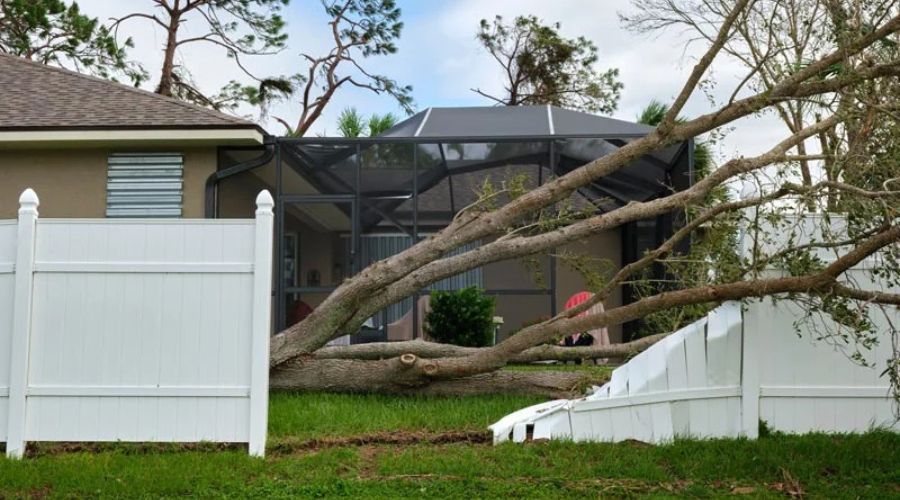
• Vinyl: Durable and low-maintenance, but can crack under heavy impact.
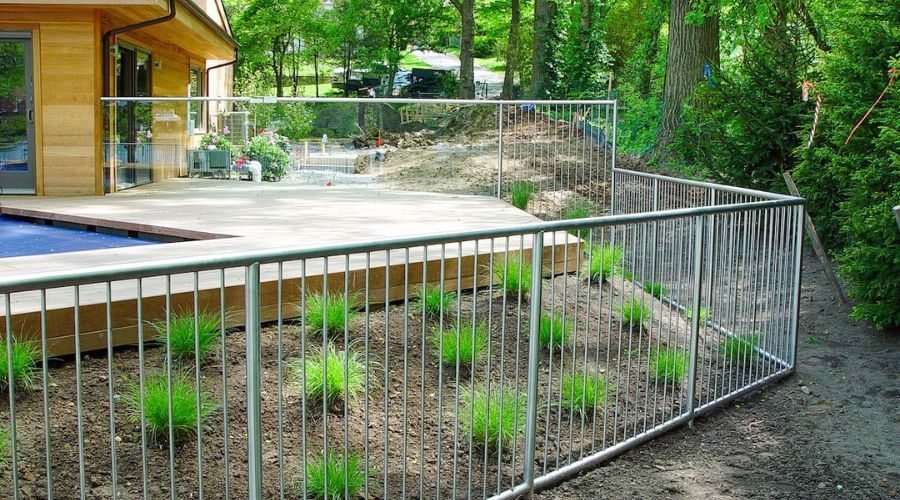
• Aluminum: Lightweight, rust-resistant, and long-lasting—though not the most private option.
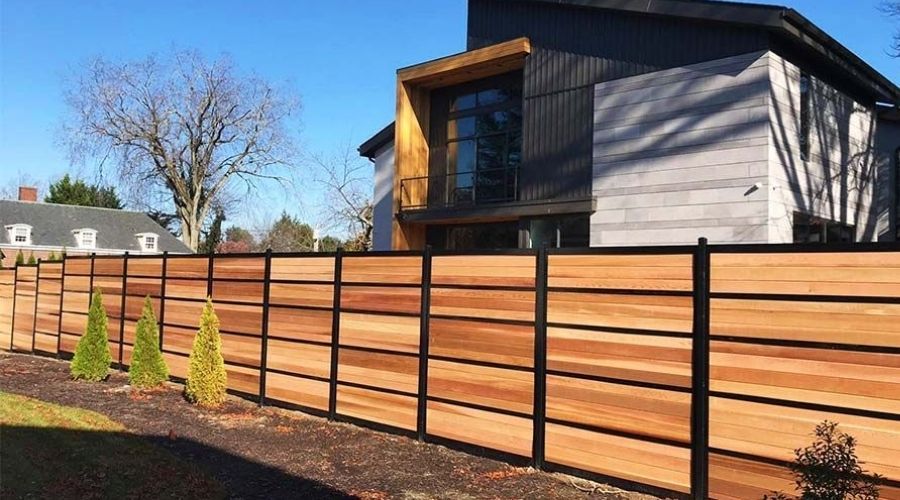
• Wood: Attractive and versatile, but needs regular sealing to resist rot.
• Chain Link: Practical in tight spots and resilient, but offers little privacy.
• Wrought Iron/Ornamental Metal: Adds elegance and security but leaves visibility open.
Final Thoughts on Fencing Near a Neighbor's Property
Installing a fence near your neighbor’s isn’t just possible—it’s common. As long as you respect property lines, follow local rules, and keep communication open, you can improve your privacy and security without stepping on any toes.
If you’re considering a new fence in North Carolina, Atlantic Fencing is here to help with honest advice and quality workmanship. Just give us a call at 919-614-0049 or reach out to us through our online form.
KEEP READING
More Fence Tips, Trends, and Project Inspiration
Whether you're planning a new install or just exploring your options, our blog is packed with expert advice, local insights, and fresh ideas to help you build with confidence.