The Best Central North Carolina Residential Fence For Pets

Atlantic Fencing

Black telephone icon with sound waves.

919-614-0049

Black square on a white background.

BUILT DIFFERENT

Black square on a white background.

PROVEN RESULTS

The Best Central North Carolina Residential Fence For Pets

Atlantic Fencing

Black phone receiver icon with sound waves.

919-614-0049

Top Residential Fencing Choices for Pets

Letting your pet roam freely outside is a joy; but ensuring they remain safe is a top priority. A well-designed fence can give your dog the freedom to play while keeping them secure. At Atlantic Fencing, we've gathered insights into which residential fences perform best for pet owners in Central North Carolina.

Select the Best Fence for Your Dog

Start by considering your pet’s behavior and tendencies. Is your dog a jumper, digger, or escape artist? Do they bark at passersby or prefer solitude? A heavier, solid fence may curb distractions, whereas a sturdy, see-through option might better suit calmer animals. Once you know your dog’s habits and your property’s constraints, you can narrow down your best-fit fence type.

How to Decide Which Fencing Type Is Best for Your Dog?

Below, we outline popular fencing materials. Each has strengths and trade-offs in cost, maintenance, aesthetics, and suitability—especially when pets are involved.


• Vinyl Fencing: Durable and Low Maintenance

Vinyl fences perform well in pet households thanks to their resilience and ease of care. The material is tough enough to resist scratching or leaning pressure from energetic dogs. Its solid-panel configuration helps block external visual distractions, which can reduce barking or agitation. Cleaning is straightforward—soap, water, and a rinse are usually enough. Vinyl also offers flexibility in height and design, letting you customize to match both your landscape and your pup’s needs.


• Aluminum Fencing: Elegant Yet Functional

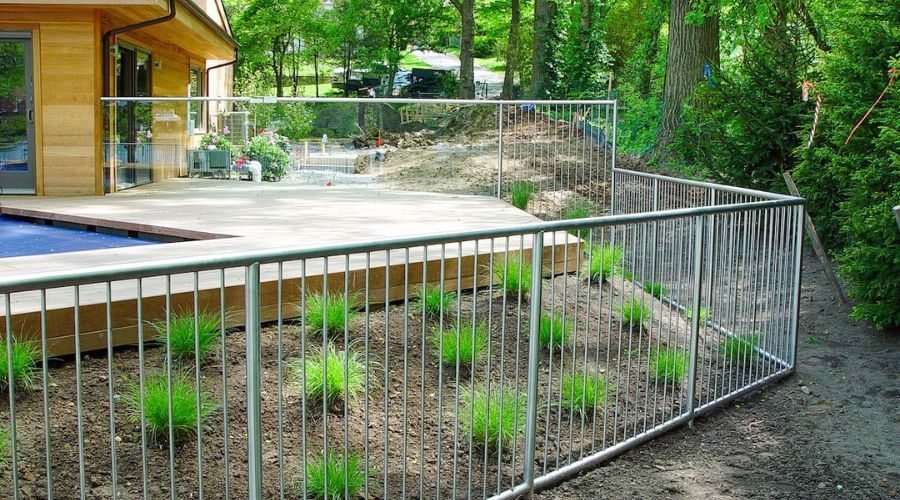
Aluminum fencing combines durability with visual appeal. Because it doesn’t block views, it helps maintain an open, airy feel in your yard. It also holds up under normal wear—chewing or scratching typically won’t compromise it. On the flip side, if your dog is reactive to stimuli beyond the fence, the open design may not discourage barking. If aesthetics, longevity, and minimal upkeep are priorities, aluminum can be a good match.


• Wood Fencing: Natural, Versatile, and Secure

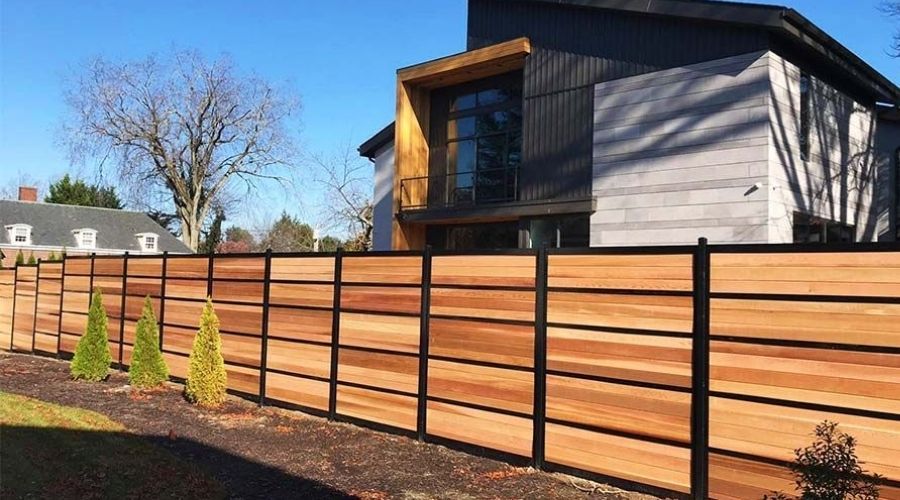
Wood provides a classic, warm aesthetic and is highly customizable. You can choose between full-privacy panels or more open configurations, depending on your dog’s temperament and your visual preferences. A tall wood privacy fence is especially useful for excitable dogs that react to street traffic, as it reduces what’s visible beyond your yard. That said, wood tends to require more upkeep over time—weathering, chewing, or scratching may demand occasional repair or refinishing.


• Chain Link Fencing: Cost-Effective and Practical

Chain link fences offer excellent value, combining affordability with functional security. They can be tailored with different heights, coatings (galvanized, vinyl-coated), or slat inserts to enhance privacy. While open in appearance, they are reliable at keeping dogs contained. If you’re budget-conscious and want durability, chain link is a strong contender—especially when privacy enhancements are added.


• Ornamental Iron Fencing: Strong and Decorative

For those seeking a blend of strength and style, ornamental iron fencing is a compelling option. It delivers a sturdy barrier, resisting typical canine wear and giving your yard a refined look. While it doesn’t offer full privacy, it can be paired with other features (shrubbery, privacy panels) if visibility is a concern. If your goal is an elegant boundary without sacrificing security, ornamental iron can be an ideal choice.
Factors to Think Through

When selecting a fence, don’t overlook practical and contextual details

• Gate layout: Ensure gates are easy to operate and placed for convenient access.

• Fence height: Base this on your dog’s jumping abilities or breed tendencies.

• Digging prevention: Add footing or underground barriers to keep determined diggers out.

• Slope & terrain: Suit your fence style to your land’s elevation changes.

• HOA & local codes: Always confirm any neighborhood or municipal restrictions prior to installation.

Want To Keep Your Pet Safe? Let’s Get Your Fence Ready!

At Atlantic Fencing, we specialize in residential and security fencing solutions throughout the Central North Carolina area. If you'd like professional guidance for selecting a pet-friendly fence, call us at 919-614-0049 or reach out via our website. We’d be happy to discuss your yard, your dog, and recommend the best path forward for a safe, beautiful enclosure.

Black square on a white background.

KEEP READING

More Fence Tips, Trends, and Project Inspiration

Whether you're planning a new install or just exploring your options, our blog is packed with expert advice, local insights, and fresh ideas to help you build with confidence.


Webpage icon with two content sections.

Wooden privacy fence in a yard, green-tinged wood with horizontal supports, on a grassy area.
By Atlantic Fencing September 22, 2025
Yes, you’re generally allowed to build a fence alongside your neighbor’s, but a few important steps can save you from trouble. Always verify your property boundaries, follow your community’s rules, and have an open conversation with your neighbor before the first post goes in.
Black metal fence in front of a red brick building with a white door, green bushes, and a concrete pad.
By Atlantic Fencing May 7, 2025
When installing a fence on your property in Central North Carolina , it’s not just your lot that matters; neighbors will see and be affected by it too. Thoughtful planning can turn your fence into a welcome addition rather than a point of contention. At Atlantic Fencing , we believe every fencing project should foster harmony in the community. Below are five key strategies to ensure your residential fence is neighbor-friendly and built to last.
Rustic wooden fence constructed from reclaimed boards, outdoors.
By Atlantic Fencing March 10, 2025
Composite fencing is crafted from a blend of recycled plastics and wood fibers. This unique construction means you get the natural appearance of wood with the long-lasting strength and low-maintenance benefits of synthetic materials. Unlike traditional options, composite won’t rot, splinter, or attract pests; making it a dependable solution that looks good year after year.
Show More
Wooden privacy fence in a yard, green-tinged wood with horizontal supports, on a grassy area.
By Atlantic Fencing September 22, 2025
Yes, you’re generally allowed to build a fence alongside your neighbor’s, but a few important steps can save you from trouble. Always verify your property boundaries, follow your community’s rules, and have an open conversation with your neighbor before the first post goes in.
Black metal fence in front of a red brick building with a white door, green bushes, and a concrete pad.
By Atlantic Fencing May 7, 2025
When installing a fence on your property in Central North Carolina , it’s not just your lot that matters; neighbors will see and be affected by it too. Thoughtful planning can turn your fence into a welcome addition rather than a point of contention. At Atlantic Fencing , we believe every fencing project should foster harmony in the community. Below are five key strategies to ensure your residential fence is neighbor-friendly and built to last.
Rustic wooden fence constructed from reclaimed boards, outdoors.
By Atlantic Fencing March 10, 2025
Composite fencing is crafted from a blend of recycled plastics and wood fibers. This unique construction means you get the natural appearance of wood with the long-lasting strength and low-maintenance benefits of synthetic materials. Unlike traditional options, composite won’t rot, splinter, or attract pests; making it a dependable solution that looks good year after year.
Show More