5 Tips for a Neighborly Central North Carolina Residential Fence
Atlantic Fencing
919-614-0049
BUILT DIFFERENT
PROVEN RESULTS
5 Tips for a Neighborly Central North Carolina Residential Fence
Atlantic Fencing
919-614-0049
Plans for a "Neighborly" Residential Fence Install in Central North Carolina
When installing a fence on your property in Central North Carolina, it’s not just your lot that matters; neighbors will see and be affected by it too. Thoughtful planning can turn your fence into a welcome addition rather than a point of contention.
At Atlantic Fencing, we believe every fencing project should foster harmony in the community. Below are five key strategies to ensure your residential fence is neighbor-friendly and built to last.
1. Share Plans in Advance
You’re not obligated by law to notify neighbors before building a fence, but doing so can go a long way toward preventing misunderstandings. Reach out and let adjoining property owners know about your intention to erect a Central North Carolina residential fence.
A heads-up gives them a chance to ask questions or express concerns; such as construction timing, noise, or placement. Sometimes, it even leads to collaborative solutions or cost-sharing.
2. Respect The Property Line
One of the most crucial steps is making sure your fence respects legal boundaries. Don’t rely just on visual cues. Consult your county assessor’s records or online property maps, and if necessary, engage a licensed surveyor to clearly mark your property lines.
A misplaced fence could lead to legal disputes or a forced removal if it encroaches on your neighbor’s land.
3. Be Aware of Zoning Rules and HOA Guidelines
Local ordinances, zoning codes, and homeowners’ association rules often dictate what you can (or can’t) do with your fence. These regulations may cover maximum heights, acceptable materials, setback requirements, or whether you need a permit.
Even if you don’t live under HOA oversight, city or county rules may still apply. Atlantic Fencing is familiar with many of these requirements, but it’s your responsibility to verify compliance before construction.
4. Keep Up with Ongoing Repairs and Upkeep
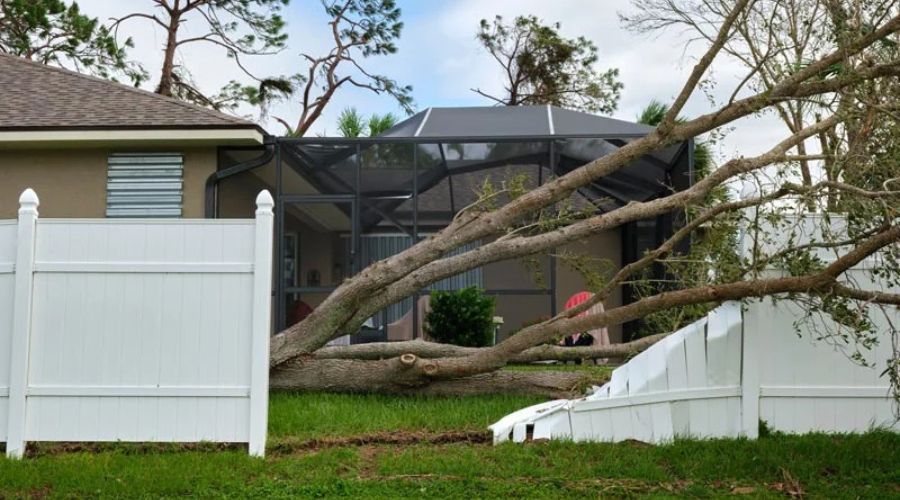
A fence left to weather and decay can become an eyesore for both property owners. Regardless of the material you choose, stay on top of upkeep.
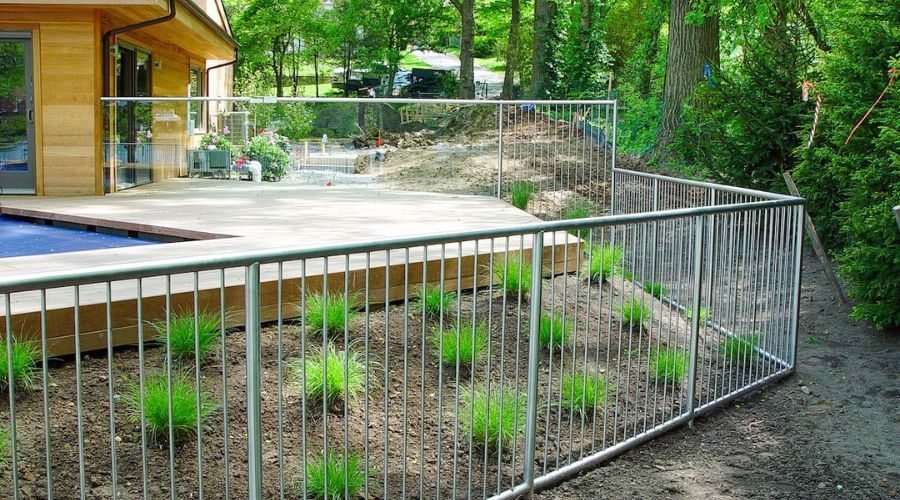
Wood fences may require staining or sealing, and trimming nearby vegetation to prevent rot. Alternatives like vinyl, aluminum, or chain link often need less frequent attention but still benefit from routine inspection and cleaning. A well-maintained fence helps preserve good neighborly relations and prolongs the lifespan of your investment.
5. Choose the Same Finish on Both Sides
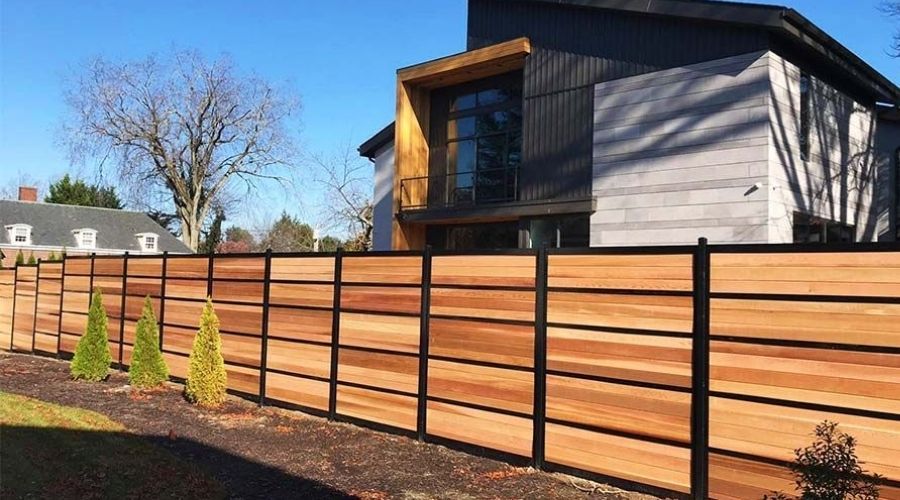
Often one side of a fence is meant to be the “good view” side facing your yard, leaving the rougher side toward neighbors or the street. But if you care about appearance and goodwill, consider constructing a double-sided or “good neighbor” fence that looks symmetrical from both sides.
This design choice shows respect, reduces complaints, and presents a more cohesive appearance in the neighborhood.
Start Your Central North Carolina Residential Fence Today
Approach your fence project as a chance to build community goodwill, not tension. Hiring a professional like Atlantic Fencing can help you navigate permitting, material selection, and durability while ensuring that your fence is something everyone can appreciate.
To learn more or get a free quote, call us at 919-614-0049 or reach out through our contact page. Let’s work together to bring a beautiful, neighborly fence to your property.
KEEP READING
More Fence Tips, Trends, and Project Inspiration
Whether you're planning a new install or just exploring your options, our blog is packed with expert advice, local insights, and fresh ideas to help you build with confidence.